Quality and accountability for humanitarian logistics
The supply chain is an essential element of any humanitarian response. The ULS set minimum standards based on best practices to guide organisations, staff and volunteers in disaster preparedness and response.
A handbook based on the sector's best practices
The ULS are a reference handbook for humanitarian logistics. They gather what the sector understands as good practice and present it as a common minimum, adaptable to each organisation and context.
A Digest of Best Practices
The handbook was developed thanks to the contributions of 250+ professionals and volunteers in a series of consultations to define a common understanding of the key challenges and best practices in the field of humanitarian logistics.
Six areas that structure the humanitarian supply chain
The ULS handbook is organised in six technical chapters, complemented by cross-cutting themes (protection, safeguarding, environmental impact, cash-based assistance, gender and diversity). Each standard describes an applicable minimum and practical guidance for contextualisation.
How they are applied
Organisations of every kind adapt the ULS to their reality: local NGOs, international agencies and crisis-response projects.
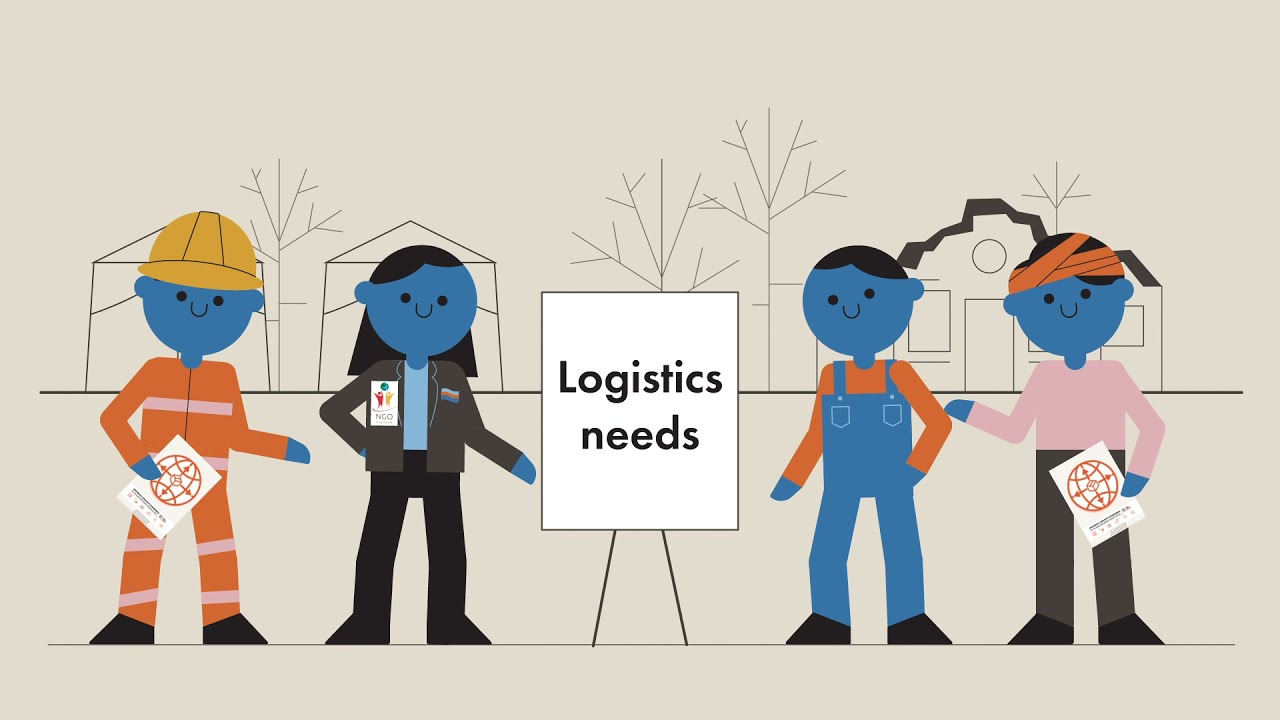
ULS can be used as a reference for planning, managing or implementing humanitarian projects. They can also guide actors across the humanitarian response to work constructively with others, as well as support advocacy with donors and local authorities.
ULS are a key tool to address gaps in logistics and operational management, supporting local and national actors to effectively manage end-to-end supply and logistics processes. The PARCEL 2 Self-Assessment Tool enables organisations to assess their logistics capacity and identify priority areas for improvement, using the Universal Logistics Standards as a common benchmark. It is designed to make logistics performance review simple, practical and directly actionable for local and national humanitarian actors.
ULS offer a comprehensive framework for training activities. A series of online and face-to-face activities have been implemented in several languages via the PARCEL network, a-humanitaria.es and other platforms.
Member of the Humanitarian Standards Partnership
The ULS join the set of standards that shape the quality of humanitarian response, forming with them a family of nine members that share method and vision.
A handbook sustained by those who use it
The ULS are kept alive thanks to the continuous contribution of the sector. Feedback, field-implementation experience and improvement proposals are incorporated into each new revision.